Seized at the Border: What US Customs Actually Does With Intercepted ED Medication

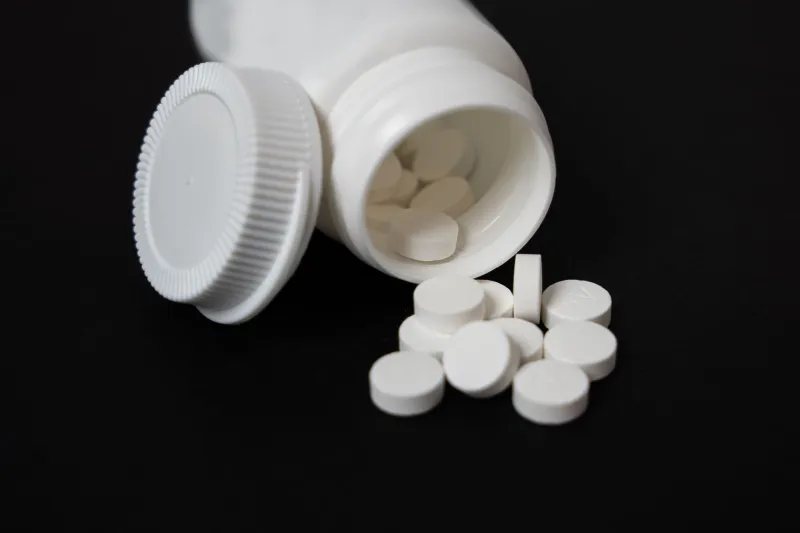
Photo: CBP Photography, Public domain, via Wikimedia Commons
The fear of a package being stopped at the border is, for many men, the single greatest psychological barrier to ordering ED medication from an international pharmacy. That fear is understandable. It is also, in most cases, disproportionate to the documented reality. Understanding what US Customs and Border Protection (CBP) actually does—and does not do—with intercepted personal-use pharmaceutical shipments can help men make more informed decisions.
The Scale of International Pharmaceutical Interceptions
The United States is the world's largest consumer of imported goods, and CBP processes millions of parcels every day. The agency's own reporting indicates that pharmaceutical interceptions represent a fraction of total seizures, and within that fraction, personal-use quantities of prescription medications occupy a distinct and generally lower-priority tier than controlled substances, counterfeit goods, or bulk commercial shipments.
According to CBP data, the majority of pharmaceutical seizures involve products that either contain controlled substances, lack any legitimate labeling, or arrive in quantities clearly exceeding personal use. A package containing a small blister pack of tadalafil tablets—consistent with what an individual might use over thirty to ninety days—is categorically different, in the eyes of enforcement, from a commercial-scale shipment.
This does not mean interception is impossible. It means the risk profile is more nuanced than the worst-case scenario many men imagine.
What Triggers Inspection in the First Place
Not all international packages receive the same level of scrutiny. Several factors influence whether a parcel is flagged for secondary review:
Country of origin and routing. Packages from certain regions receive heightened attention based on historical enforcement patterns. Hong Kong, as a major international logistics hub, processes an enormous volume of legitimate pharmaceutical exports and is generally recognized by customs authorities as a regulated commercial environment—distinct from jurisdictions associated with unregulated or counterfeit drug supply chains.
Declared contents and value. Misdeclared or vaguely described shipments attract more scrutiny than accurately labeled ones. Reputable international pharmacies typically declare packages in compliance with local export regulations, which itself reduces the likelihood of triggering automated inspection flags.
Package size and weight anomalies. X-ray scanning is routine for international mail. Packages whose physical profile does not match their declared contents are more likely to be opened. A parcel declared as "dietary supplement" that scans as a blister-packed pharmaceutical is more likely to be examined than one whose declared and physical characteristics align.
Shipping volume patterns. Repeated high-frequency shipments to the same address can attract attention. Single or infrequent personal-use orders do not typically register as enforcement priorities.
The Legal Framework: FDA Personal Use Policy
The FDA's personal importation policy—sometimes called the "personal use exemption"—is not a formal legal right, but rather a documented exercise of prosecutorial discretion. The agency's guidance acknowledges that it generally does not pursue enforcement action against individuals importing small quantities of unapproved or non-US-approved medications for personal use, provided:
- The quantity does not exceed a ninety-day supply
- The medication is not a controlled substance
- The individual can demonstrate the product is for personal use and not for resale
- There is no obvious health fraud involved
Generic tadalafil, while not FDA-approved in its generic international form, does not contain a controlled substance and is chemically equivalent to medications the FDA has approved for US sale. This places it in a different enforcement category than, say, narcotics or unapproved stimulants.
It is worth noting that this policy is subject to change and is not a guaranteed shield. Men should understand they are operating in a regulatory gray zone, not a zone of explicit legal permission.
What Actually Happens When a Package Is Seized
If a package is intercepted, the most common outcome is a seizure notice—a letter from CBP informing the recipient that the parcel has been detained and explaining the basis for seizure. In the overwhelming majority of personal-use pharmaceutical cases, this is where the matter ends. The medication is destroyed or returned, and no further legal action is initiated.
The recipient typically has the option to file a petition contesting the seizure, though for small quantities this is rarely cost-effective. More practically, many international pharmacies with established reputations offer reshipping policies for packages confirmed as seized—a practice that reflects the relatively manageable frequency of such events in their operational experience.
Criminal prosecution of individuals for importing personal-use quantities of non-controlled prescription medications is extraordinarily rare. It is not unheard of, but it is not the standard outcome, and it generally involves aggravating factors well beyond a single parcel of tadalafil.
Risk in Honest Proportion
Transparency requires acknowledging that the risk of customs interception is real—not hypothetical. Some percentage of international pharmaceutical packages are seized every year. Men ordering from international sources should factor this into their planning: using reputable pharmacies with clear shipping policies, ordering in quantities that align with personal-use thresholds, and understanding what recourse they have if a package does not arrive.
What the evidence does not support is the assumption that interception is probable, or that interception leads automatically to legal consequences. For most men ordering a personal supply of generic tadalafil from a legitimate international source, the customs risk is a manageable variable—not a prohibitive one.
At CialisHK Direct, we ship from Hong Kong with full compliance with local export regulations and provide clear guidance on package quantities consistent with personal-use importation thresholds. We recommend that all customers familiarize themselves with the FDA's personal importation guidance and consult a healthcare professional before beginning any new medication regimen.