Anatomy of a Pill's Price Tag: Where Your Tadalafil Money Actually Goes
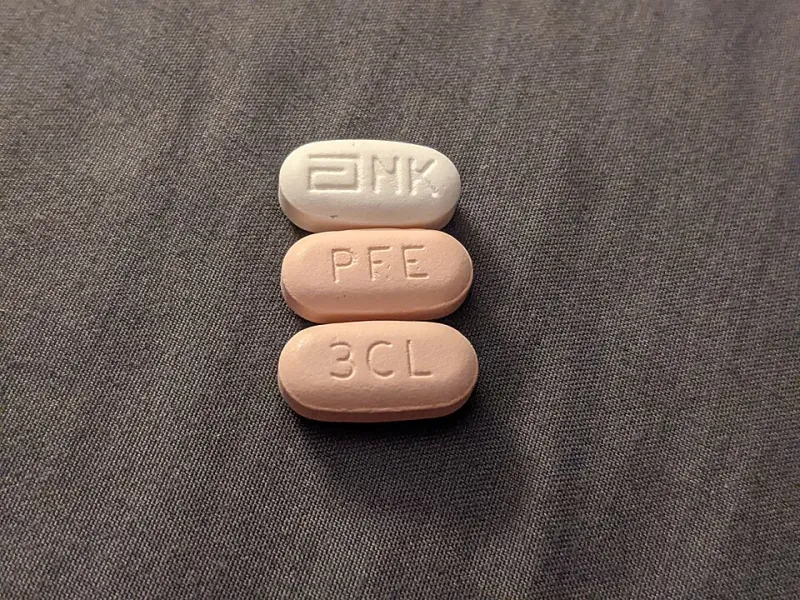
Photo: Intellec7, CC BY-SA 4.0, via Wikimedia Commons
Every American who has priced ED medication has felt the same quiet outrage: the same molecule that costs a few cents to produce sells for several dollars a tablet through domestic channels. The gap is real, it is large, and it is worth understanding in granular terms — because once you see where the money goes, the pricing landscape stops feeling like a mystery and starts looking like a series of choices.
The Manufacturing Floor
Tadalafil's patent expired years ago, and the active pharmaceutical ingredient is now produced at scale, primarily in India and China, for a per-tablet manufacturing cost measured in single-digit cents. Add formulation, blister packaging, and quality control, and a finished tablet might carry a production cost of ten to twenty cents. That is the anchor point from which every other markup flows.
The Exporter's Margin
Hong Kong's role in this trade is largely one of aggregation and logistics. Exporters buy finished product, hold inventory, verify supply, and manage the complicated business of international fulfillment. For that, they take a margin — typically modest, often adding a few tens of cents per tablet. This is the layer that gets demonized in domestic advertising, but it is also the layer doing real work: warehousing, packaging, customer service, and the unglamorous machinery of getting a parcel across an ocean.
Freight, Risk, and the Customs Premium
International shipping is not free, and neither is risk. Exporters price in the statistical reality that some percentage of shipments will be delayed, returned, or seized. This 'customs risk premium' is baked into the price of every parcel, subsidizing the losses on the ones that don't arrive. It is one of the least visible line items and one of the most honest: no logistics operation can promise perfection, so they price for imperfection instead.
What the American Channel Pays For
Now compare the domestic path. A tadalafil tablet sold through a US telehealth subscription carries the same manufacturing cost, then stacks on it: a telehealth consultation fee (often billed whether or not a doctor meaningfully reviews your case), a pharmacy fulfillment margin, platform overhead including heavy marketing spend, and in some cases pharmacy benefit manager fees. Marketing alone — those relentless podcast and streaming ads — is a genuine, sizeable cost, and you are paying for it whether you clicked the ad or not.
The result is a per-pill price that can run three to ten times the international equivalent, and the difference is not quality. The molecule is the molecule.
The Honest Accounting
This publication has an obvious stake in the international market, so let's be candid about what the cheaper price does not buy: it does not buy an ongoing doctor-patient relationship, insurance billing, or the legal certainty of a domestic prescription. Those are real value propositions for some men, and pretending otherwise would be dishonest.
But for a man paying cash, without insurance coverage for ED medication, the domestic premium is buying convenience and compliance with a distribution system — not better medicine. The price gap exists because two very different systems have attached themselves to the same pill. Understanding which costs are essential and which are optional is the first step toward making an informed choice about which system deserves your money.