Fourteen Hours Over the Pacific: What Really Happens to Your Tadalafil Between Hong Kong and Your Doorstep
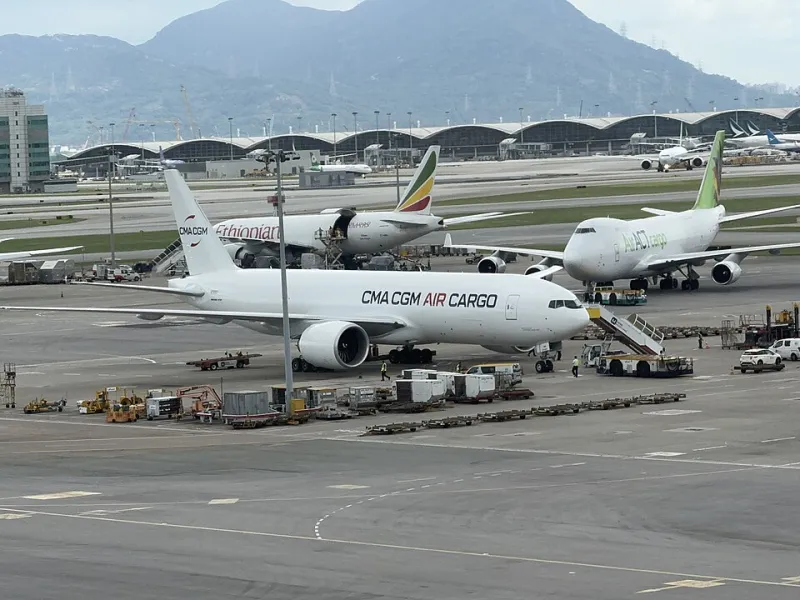
Photo: LN9267, CC BY-SA 4.0, via Wikimedia Commons
When you place an order through an international pharmacy, the transaction feels instant. Click, pay, confirmation email. What happens next is anything but instant, and understanding the journey your tadalafil takes across the Pacific can help you set realistic expectations — and spot trouble before it reaches your mailbox.
The Unglamorous Truth About Air Freight
Most shipments leaving Hong Kong's air cargo facilities do not travel in climate-controlled luxury. Standard mail and economy freight move through cargo holds where temperatures can swing dramatically between the tarmac in a Hong Kong summer and the loading bay in a US winter. Tadalafil itself is a stable compound — manufacturers test it to withstand far worse than a warm cargo bay — but repeated exposure to extremes of heat and humidity is not doing the product any favors.
Reputable exporters account for this. Blister packaging provides a moisture barrier that loose tablets never receive, and quality shippers add desiccant sachets during humid months. If a package arrives with crushed blisters or a broken seal, that is not cosmetic damage; it is a reason to question the contents.
Scanned, Rescanned, and Scanned Again
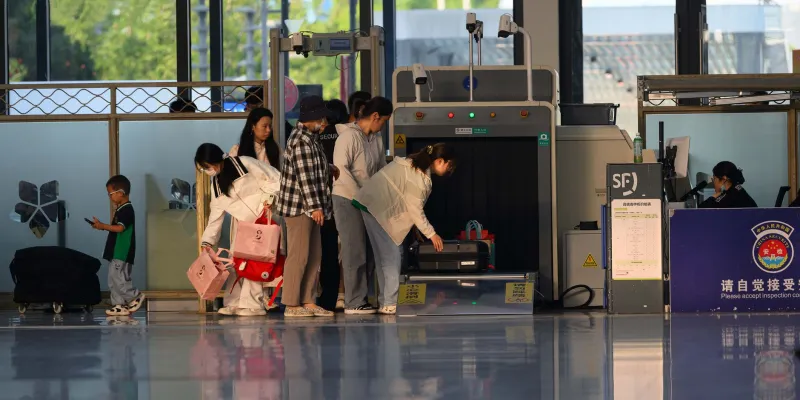
Between the exporter's counter and your front porch, a typical parcel passes through multiple X-ray and imaging checkpoints: Hong Kong Post or a private courier, departure screening, US Customs and Border Protection, and finally the domestic carrier. At each stage, the contents are inspected for prohibited items — not specifically for your medication, but for anything that pattern-matches to contraband.
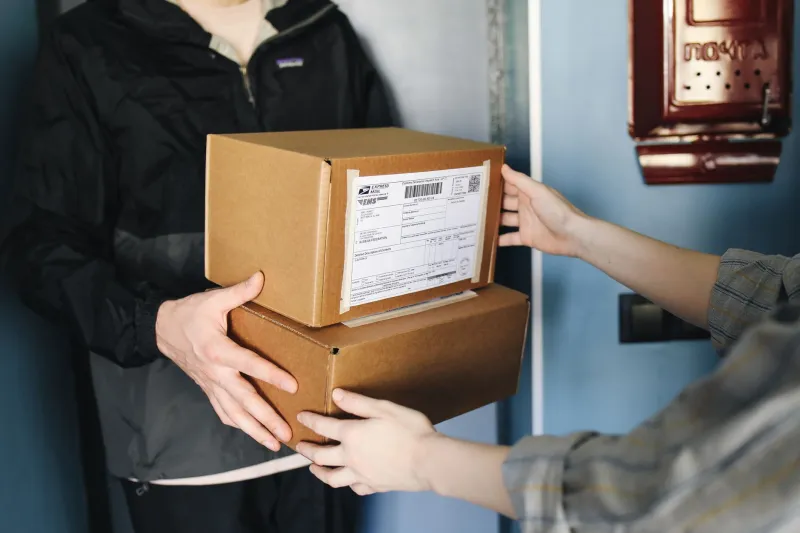
This is why packaging matters. Discreet does not mean deceptive; it means a parcel that looks like ordinary commerce rather than a pharmacy. Parcels with pharmacy-branded boxes, pill imagery, or declarations of 'pharmaceuticals' invite scrutiny that plain packaging avoids.
Seasons Change More Than the Weather
Experienced importers notice patterns. Summer shipments from Hong Kong face higher humidity and more heat exposure, which makes moisture protection non-negotiable. Winter shipments face fewer thermal risks in transit but can encounter holiday-season backlogs — November and December orders routinely take longer simply because global mail volume spikes.
If your schedule allows, ordering in shoulder seasons — early spring or early fall — tends to produce the smoothest transit times. Planning ahead also removes the temptation to reorder impulsively when a shipment runs late, which is how duplicate orders and customs flags happen.
Red Flags When Your Package Arrives
Inspect before you store. Legitimate product arrives in intact blister foil with legible batch numbers and an expiration date. Be wary of:
- Loose tablets in baggies or unlabeled bottles
- Blister foil with smudged or missing batch information
- Packaging that shows evidence of water exposure or extreme heat distortion
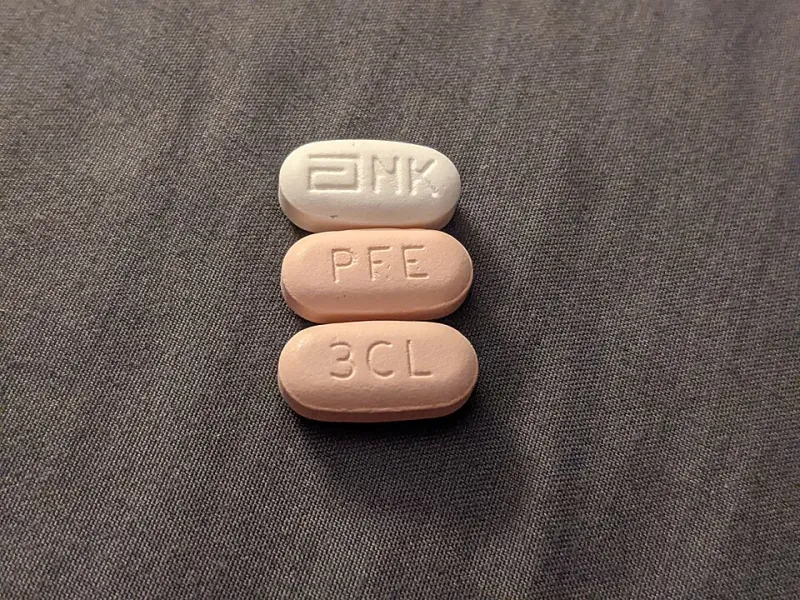
- Tablets with unusual discoloration or crumbling edges
None of these observations is a diagnosis of counterfeit product, but each is a reason to pause and verify before consumption.
The Bottom Line
The distance between a Hong Kong warehouse and an American mailbox is measured in more than miles. It is measured in handling events, temperature cycles, and screening checkpoints — and a little knowledge about that journey helps you order smarter, store correctly, and know the difference between normal transit wear and a genuine problem.